Get Backflow Plumbing Replacement
Backflow plumbing replacement services involve local contractors upgrading or replacing backflow preventers to protect water quality and ensure safe, code-compliant plumbing systems.
Property owners considering backflow plumbing replacement often seek reliable solutions to ensure their water systems remain safe and compliant. Whether addressing outdated infrastructure, preventing potential contamination, or preparing for property upgrades, exploring local contractor options can help identify practical and effective approaches to the project. Staying informed about available services and comparing local options can support well-planned decisions that meet specific property needs.
By exploring the services offered by nearby contractors, property owners can better understand the scope of backflow plumbing replacement work and find providers experienced in handling such projects. Continuing to read can reveal insights into the types of services available and how local professionals can assist in maintaining the integrity of water systems, providing peace of mind for those planning necessary upgrades.
- Backflow Preventer Replacement - needed when existing backflow devices are outdated, damaged, or no longer functioning properly.
- Pipe Replacement for Backflow Prevention - required if backflow-related pipes are corroded, cracked, or leaking.
- Backflow Testing and Certification - necessary to ensure the backflow prevention system complies with local codes and regulations.
- Emergency Backflow Repair - needed when a sudden backflow issue causes water contamination or flooding.
- System Upgrades and Modernization - sought when upgrading to newer, more reliable backflow prevention technology.
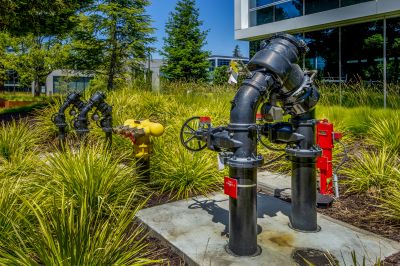
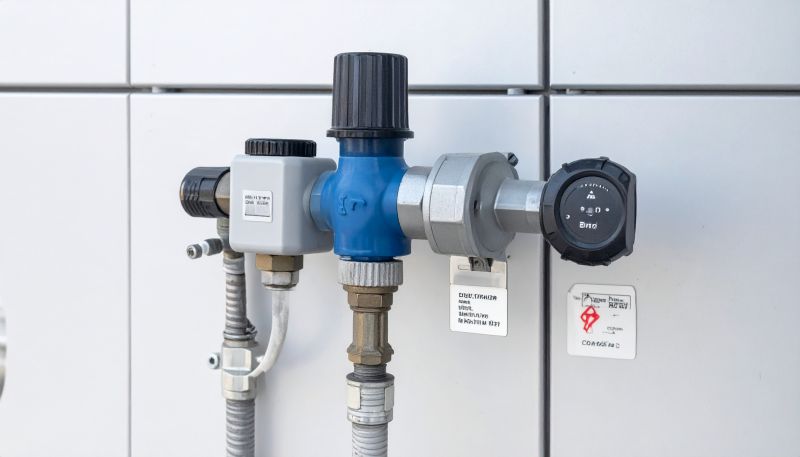
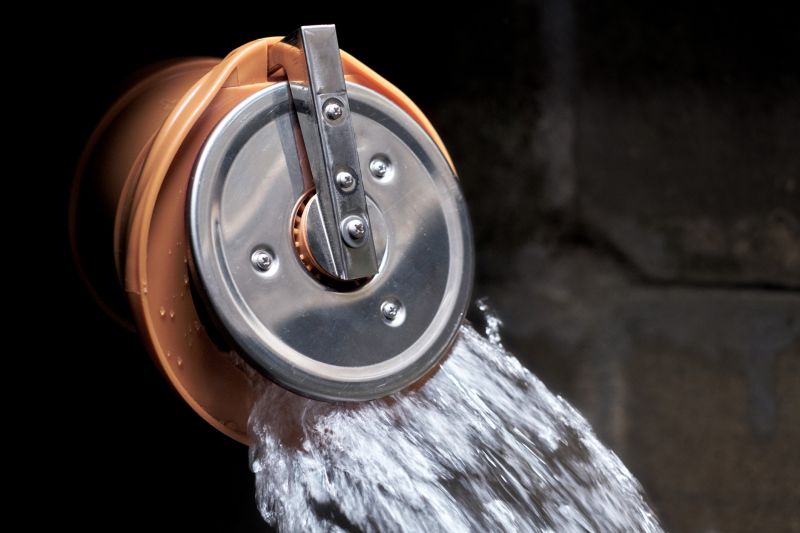
Backflow plumbing replacement involves removing and installing new backflow prevention devices within a property's water system. These devices are designed to prevent contaminated water from flowing back into the clean water supply, ensuring water remains safe for everyday use. The process typically includes assessing the existing backflow preventer, removing it carefully, and installing a new unit that meets the property's specific needs. Professional service providers handle this work to ensure that the replacement is performed correctly, maintaining the integrity of the plumbing system and compliance with local standards.
This service helps address common problems such as backflow contamination, device failure, or age-related wear and tear. Over time, backflow preventers can become damaged or outdated, leading to potential health hazards or water pressure issues. Replacing these devices promptly can prevent costly water damage, health risks, and plumbing system malfunctions. Service providers often recommend backflow replacement when existing devices show signs of deterioration or have been in use for many years, helping homeowners maintain a safe and reliable water supply.
Backflow plumbing replacement is often necessary for a variety of property types, including residential homes, multi-family dwellings, commercial buildings, and industrial facilities. Homes with irrigation systems, fire suppression systems, or other specialized water uses may also require regular backflow device updates. Property owners who notice changes in water pressure, unusual odors, or visible damage to their backflow preventers should consider scheduling a replacement. Local contractors can evaluate the specific requirements of each property and recommend the appropriate solutions to ensure continued water safety and system functionality.
Choosing the right service provider for backflow plumbing replacement ensures the work is completed correctly and efficiently. Experienced local contractors understand the unique needs of different property types and can recommend the most suitable backflow preventers for each situation. Whether upgrading an aging device or installing a new one in a commercial setting, professional replacement services help maintain water quality and prevent potential contamination issues. Contacting a trusted local provider can provide peace of mind that the backflow system is functioning properly and compliant with relevant standards.
The overview below groups typical Backflow Plumbing Replacement projects into broad ranges so you can see how smaller, mid-sized, and larger jobs often compare in your area.
In many markets, a large share of routine jobs stays in the lower and middle ranges, while only a smaller percentage of projects moves into the highest bands when the work is more complex or site conditions are harder than average.
Smaller Repairs - typical costs for minor backflow repairs or replacements range from $250 to $600. Many routine jobs fall within this middle range, depending on the extent of the work needed. Fewer projects reach the higher end of this spectrum.
Partial Replacement - replacing a section of a backflow preventer or addressing moderate issues usually costs between $600 and $1,500. These projects are common and often involve some additional parts or labor but remain within a manageable budget.
Full Backflow Replacement - complete replacements of backflow prevention systems tend to range from $1,500 to $3,500. Larger, more complex projects can reach $4,000 or more, especially in older or heavily used systems.
Complex or Commercial Installations - extensive or commercial backflow system replacements can vary widely, typically starting around $3,500 and exceeding $5,000 in more involved cases. These projects are less frequent but may involve significant planning and equipment costs.
Actual totals will depend on details like access to the work area, the scope of the project, and the materials selected, so use these as general starting points rather than exact figures.
Underground Water Line Replacement - involves replacing or repairing underground piping systems, requiring similar planning, excavation, and pipe installation skills as backflow plumbing replacement.
Drain Line Repair and Replacement - entails locating, diagnosing, and replacing damaged drain pipes, utilizing tools and techniques common to backflow prevention system work.
Sewer Line Replacement - includes excavating and installing new sewer pipes, which shares the same trenching and pipe fitting expertise needed for backflow system upgrades.
Water Main Installation - involves connecting or replacing main water supply lines, requiring precise planning and pipe handling skills comparable to backflow device replacement.
Leak Detection and Repair - focuses on identifying and fixing leaks in underground or concealed plumbing, which often involves similar diagnostic tools and excavation methods.
Water Pressure Regulator Installation - includes installing or replacing pressure regulation devices, requiring familiarity with plumbing systems and flow control similar to backflow prevention services.
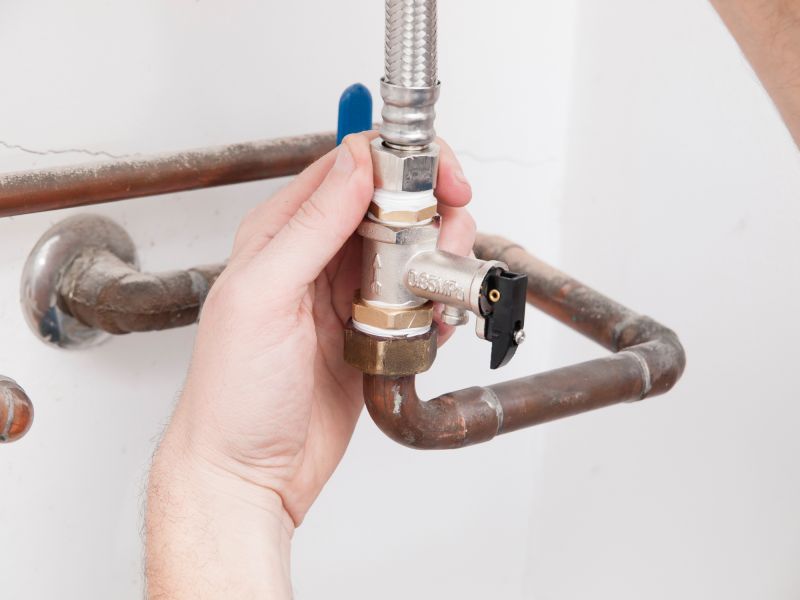
When selecting a professional for backflow plumbing replacement, it is important to consider their experience with similar projects. Homeowners should inquire about how long a service provider has been working in the field and whether they have handled backflow replacements in properties comparable to their own. An experienced contractor will be familiar with common challenges and best practices, which can contribute to a smoother process and a reliable outcome. Understanding a local contractor’s background with comparable jobs helps ensure that the chosen professional has the necessary skills to handle the specific requirements of the project.
Clear and detailed written expectations are essential when comparing local service providers. Homeowners should seek out providers who can offer comprehensive descriptions of the scope of work, including the materials and methods they plan to use. Having a well-defined plan helps prevent misunderstandings and ensures that both parties have aligned expectations. It is also beneficial to request a written estimate or proposal that outlines the services to be performed, which can serve as a reference point throughout the project.
Reputable references and good communication are key factors in choosing a dependable professional. Homeowners are encouraged to ask potential service providers for references from previous clients who had similar work done. Speaking with past customers can provide insights into the contractor’s reliability, quality of work, and professionalism. Additionally, effective communication-such as prompt responses to questions and clear explanations of the process-can make the project experience more straightforward and less stressful. It is important to remember that this site introduces homeowners to local options, helping them compare and connect with qualified service providers, but the actual work is performed by those local contractors.
Property owners use Backflow Plumbing Replacement services for practical projects around their homes and businesses. This guide focuses on everyday jobs and straightforward project options.
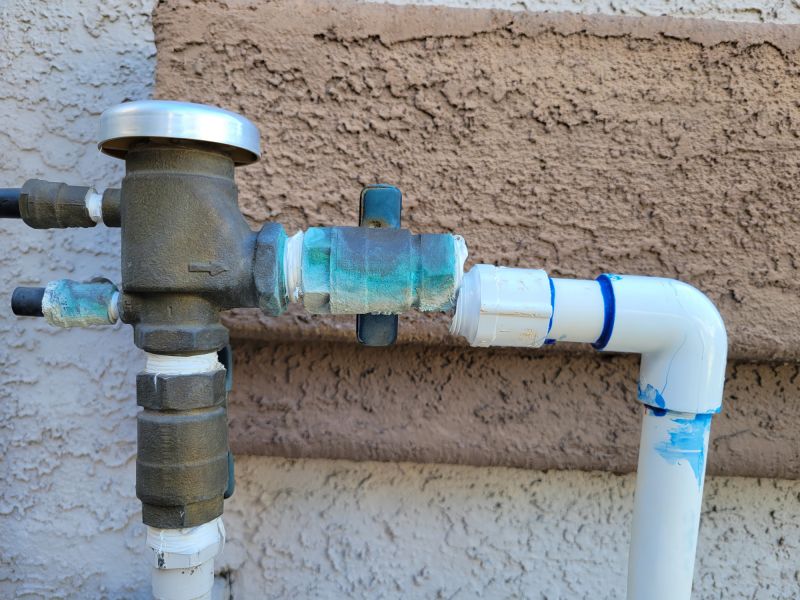
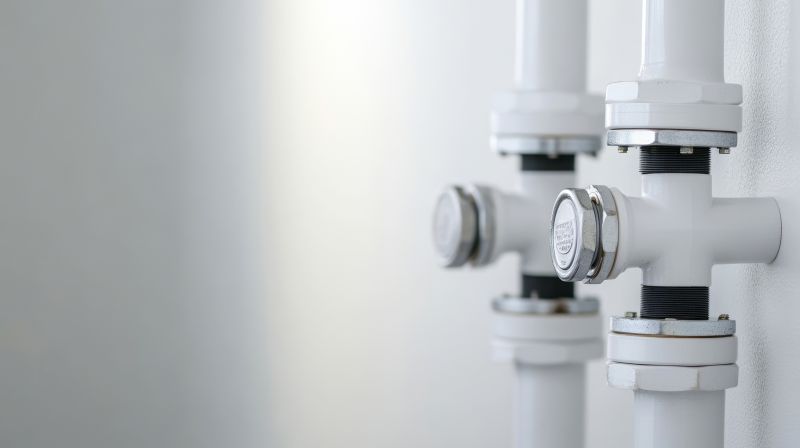
Backflow plumbing replacement services are often needed when property owners notice issues such as decreased water pressure, foul odors, or unexpected changes in water quality. These problems can indicate that the backflow prevention devices are malfunctioning or outdated, potentially risking contamination of the drinking water supply. Local contractors specializing in backflow services can assess the situation, recommend appropriate replacements, and ensure that the plumbing system continues to operate safely and efficiently.
In many cases, property owners seek backflow replacement services during routine inspections or when preparing for property upgrades. Aging plumbing infrastructure, recent repairs, or changes in local regulations may also prompt the need for new backflow prevention devices. Local service providers are available to handle these projects, providing professional installation and ensuring that the plumbing system remains compliant with safety standards.
What is backflow plumbing replacement? Backflow plumbing replacement involves removing and installing new backflow prevention devices or pipes to ensure proper water flow and prevent contamination.
When should I consider replacing backflow plumbing? Replacement may be needed if the existing backflow prevention device is faulty, outdated, or has experienced damage or wear that could compromise water safety.
How do local contractors handle backflow plumbing replacement? Skilled service providers assess the current system, determine the appropriate replacement solutions, and perform the installation or replacement to meet local plumbing codes.
What types of backflow prevention devices can be replaced? Common options include pressure vacuum breakers, double check valves, and reduced pressure zone (RPZ) assemblies, which can be replaced based on system requirements.
Why hire a professional for backflow plumbing replacement? Professional contractors have the expertise to properly install and test backflow prevention devices, helping to ensure the water supply remains safe and compliant with local regulations.
Backflow Prevention Replacement - Ensures the property's irrigation and plumbing systems prevent contaminated water from flowing back into the main supply, maintaining water safety.
Residential Backflow System Upgrade - Helps property owners upgrade outdated backflow preventers to meet current standards and avoid potential plumbing issues.
Backflow Device Installation - Provides a reliable way to install new backflow preventers in homes or commercial buildings to protect drinking water sources.
Backflow System Inspection & Replacement - Assists property owners in inspecting existing systems and replacing faulty or aging backflow preventers for continued safety.
If you are thinking about Backflow Plumbing Replacement for a property, this guide is meant to help you understand the work, the typical project types, and how different options might fit your plans.
When you are ready, you can use the quote form on this page to share a few details about your project. From there, local pros can review the basics and respond with options that match what you have in mind.