Commercial Pipe Repair in Denver, CO
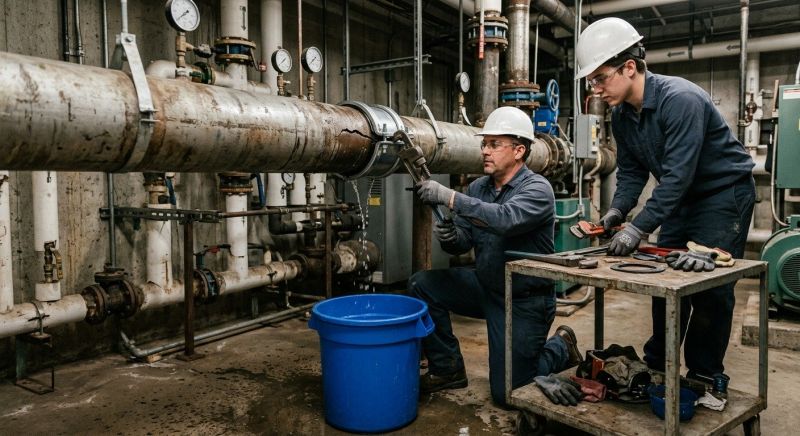
Commercial pipe repair services address issues related to the integrity and functionality of underground and above-ground piping systems in residential properties. These services cover a wide range of projects, including fixing leaks, replacing damaged or corroded pipes, and resolving blockages that can disrupt water flow or cause property damage. Homeowners and property owners should understand the scope of repairs needed, potential causes of pipe problems such as aging or shifting ground, and the importance of prompt attention to prevent further issues.
Before requesting commercial pipe repair, property owners typically want to know about the types of pipes involved, the signs indicating a problem-such as low water pressure, unusual odors, or visible leaks-and the estimated impact on their property. Clarifying the extent of the damage and understanding the repair process can help in making informed decisions about addressing pipe concerns efficiently and effectively.
Many property owners in Denver, CO look into Commercial Pipe Repair for repairs, replacements, upgrades, and appearance-related improvements.
Signs Of Pipe Damage
Property owners may notice leaks, low water pressure, or unusual noises indicating pipe issues.
Common Repair Needs
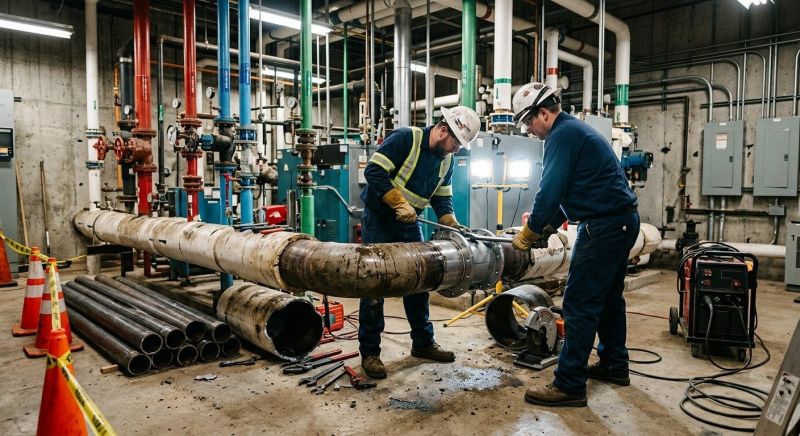
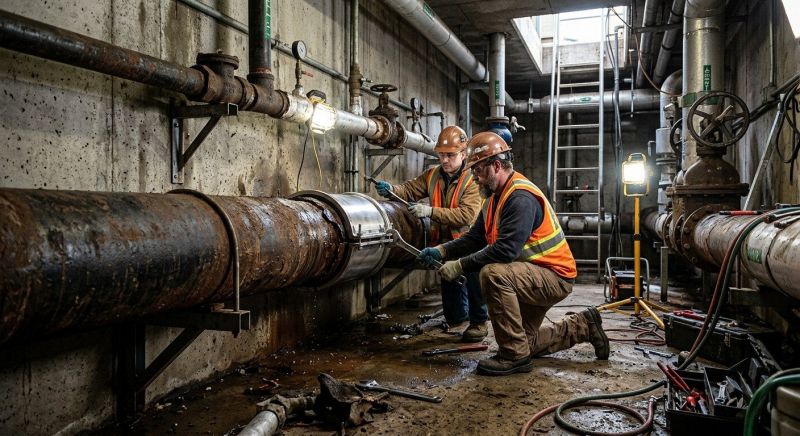
Repairs often involve fixing leaks, replacing corroded sections, or sealing pipe joints to prevent future problems.
Preventive Maintenance Tips
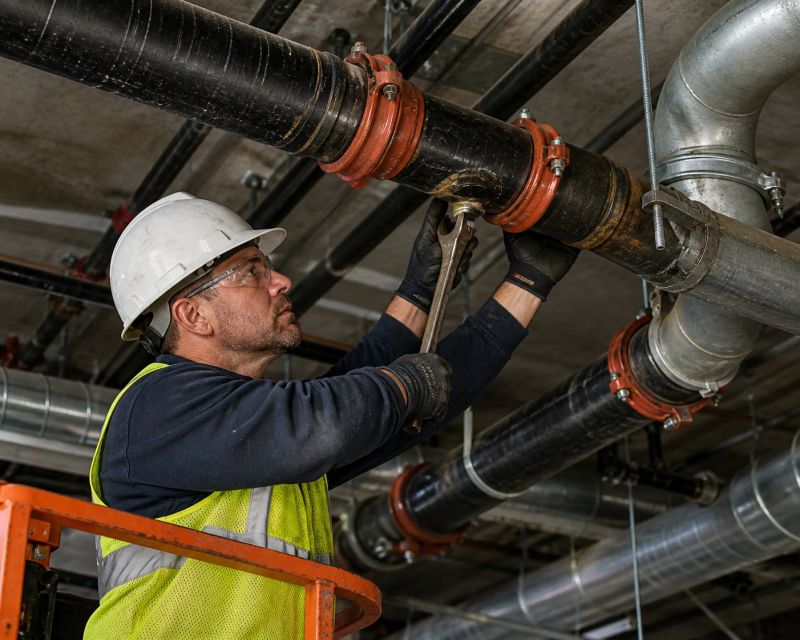
Regular inspections and prompt repairs can help maintain reliable plumbing systems in denver homes and businesses.
Commercial Pipe Repair in Denver, CO

Commercial pipe repair services address issues related to the integrity and functionality of underground and above-ground piping systems in residential properties. These services cover a wide range of projects, including fixing leaks, replacing damaged or corroded pipes, and resolving blockages that can disrupt water flow or cause property damage. Homeowners and property owners should understand the scope of repairs needed, potential causes of pipe problems such as aging or shifting ground, and the importance of prompt attention to prevent further issues.
Before requesting commercial pipe repair, property owners typically want to know about the types of pipes involved, the signs indicating a problem-such as low water pressure, unusual odors, or visible leaks-and the estimated impact on their property. Clarifying the extent of the damage and understanding the repair process can help in making informed decisions about addressing pipe concerns efficiently and effectively.
Many property owners in Denver, CO look into Commercial Pipe Repair for repairs, replacements, upgrades, and appearance-related improvements.
Common Commercial Pipe Repair Jobs
Commercial Pipe Repairs - addresses leaks and pipe damage in commercial plumbing systems.
Pipe Replacement - involves removing and installing new sections of damaged or outdated pipes.
Leak Detection - identifies hidden leaks that can cause water damage and increase costs.
Corrosion Repair - restores pipes affected by corrosion to prevent future failures.
Burst Pipe Repair - quickly restores water flow after a pipe unexpectedly breaks.
Pipe Re-routing - modifies existing pipe layouts to improve system performance or access.
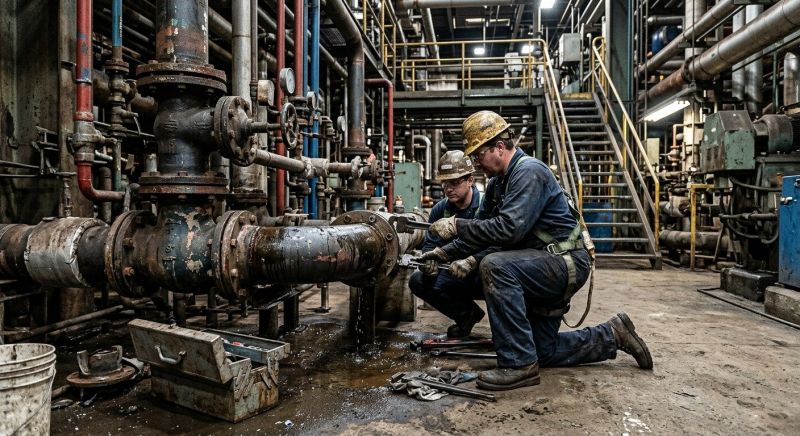
Commercial Pipe Repair Questions
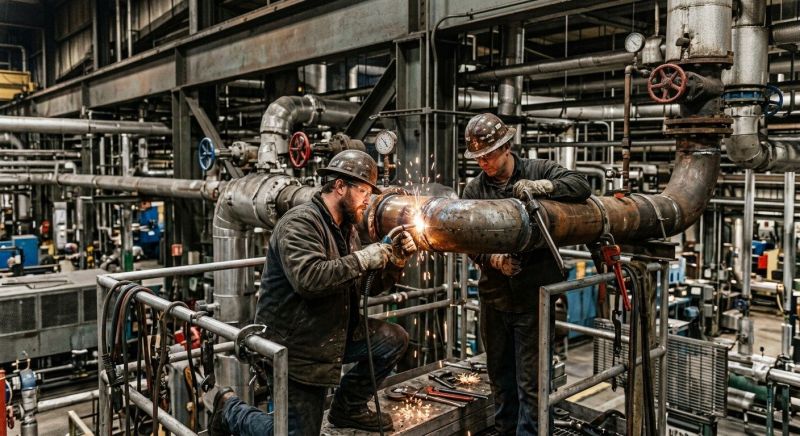
What types of pipe repairs are common in commercial properties? Common repairs include fixing leaks, replacing corroded pipes, and addressing blockages that affect plumbing efficiency.
How can I tell if my commercial pipes need repair? Signs include persistent leaks, low water pressure, unusual noises, or frequent clogs in plumbing fixtures.
What materials are used for commercial pipe repairs? Repairs often involve materials like copper, PVC, or PEX, chosen based on pipe type and property needs.
Why is timely pipe repair important for commercial properties? Prompt repairs help prevent water damage, reduce downtime, and maintain the safety and functionality of the building’s plumbing system.
Request Commercial Pipe Repair in Denver, CO
Use the quote form on this page to share the basics of your project and request more information for the type of work you need.